
Vehicles
The Over the Hill garage explained by class: four vehicle categories, how new trucks unlock, which upgrades change terrain, and what to look for in a 1960s-80s 4x4.
Introduction
Over the Hill ships with eighteen unlockable vehicles drawn from the 1960s through the 1980s, and the game sorts them into four broad categories rather than ranking them against each other. That structure is the key to the garage: no single truck is meant to clear everything, and the interesting decision is which class suits the trip you are about to take. New vehicles arrive as you progress through objectives and areas instead of being bought with a single currency, so the roster grows alongside your understanding of the terrain. This section covers what each class is actually good at, how unlocking works in practice, which upgrades change the ground you can cover, and where cosmetics fit without affecting performance.
Vehicle Classes At A Glance
| Class | Built For | Terrain Strength | Watch Out For |
|---|---|---|---|
| Classic 4x4 | All-round trail work | Mixed mud, rock and forest tracks | Little margin when fully loaded |
| Pickup | Long hauls and recovery | Open ground, towing and deep going | Rear-end weight on loose climbs |
| Van | Carrying kit and supplies | Bridging gaps with planks and spare parts | Short approach angles on ledges |
| Buggy | Light, quick scouting | Tight trails, sand and narrow gaps | Very poor at hauling or deep water |
Garage Breakdown
Classic 4x4
The dependable all-rounder the game teaches you on
Pickup
Long-distance workhorse with a taste for recovery duty
Van
Mobile workshop for convoys that expect to get stuck
Buggy
Light scout for tight trails, sand and narrow gaps
Core Mechanics
Vehicles unlock through progress rather than purchase: objectives, area discoveries and regional milestones add trucks to your garage as you go, which is why the roster grows fastest if you keep exploring instead of grinding one loop. Each vehicle sits in one of four categories with different strengths, and the game expects you to switch between them rather than settling on a favourite. Upgrades are separate from cosmetics: parts and tyres improve grip and durability and genuinely widen the terrain you can clear, while colours, liveries, spare tyres and ladders change how a truck looks without touching performance. A fully upgraded vehicle also carries its own achievement, which gives the upgrade path a clear endpoint beyond simply making hard trails passable.
Advantages
The class system removes the usual 'best vehicle' argument: because each category is built for different terrain and trip lengths, the roster stays interesting well past the point where a single optimum would have made everything else pointless. Unlocking through play rather than currency means a new truck always arrives with context, since you earned it by doing something in the world rather than by saving up. Separating upgrades from cosmetics is a genuinely player-friendly choice, so looking the way you want never costs you grip, and the upgrade path gives clear goals once basic exploration stops being difficult. Four-player co-op then turns the class differences into roles, with recovery trucks, scouts and supply vans all doing useful work in the same session.
Challenges
The launch build does not publish a full vehicle list, so you are discovering the roster as you unlock it rather than planning towards a specific truck, which frustrates players who like to work from a checklist. Class names are described rather than officially titled, so community shorthand can be inconsistent, and the only individual model that appears repeatedly in player discussion is the K5 Blazer, which is worth treating as a reported example rather than a confirmed roster entry. Switching between classes also costs time if your alternatives are parked at a distant cabin, and upgrades are spread across merchants and cabins, so a fully built truck takes real exploration to assemble.
Frequently Asked Questions
How do you unlock new vehicles in Over the Hill?+
Which vehicle class is best for mud, snow and sand?+
Do cosmetics change how a vehicle performs?+
Quick Tips
Change tyres before you change anything else. Grip is the single upgrade that most obviously changes which trails are passable, and a modest truck on good rubber will clear ground that a powerful one on worn tyres simply fights with until it digs in and stalls. Tyres are also the cheapest upgrade, so there is no reason to postpone them while saving for something more dramatic.
Learn one vehicle properly before spreading your attention across the roster. Acceleration, braking and how each chassis reacts to a crest are the difference between a controlled climb and an accidental roll, and that feel only builds if you are not constantly swapping seats. Swapping seats constantly also makes it harder to judge whether a failure was the terrain or simply your unfamiliarity.
If a truck is stuck at a distant cabin, do not drive there just to swap. Fast travel points exist to make the decision cheap, so unlock the cabins along your route first and the class system becomes something you actually use rather than a garage you never visit. Unlocking cabins along your route first turns the class system into something you genuinely use rather than admire.
Take the buggy when you are only scouting and the pickup when you are carrying a friend's problem. Matching the vehicle to the job is faster than upgrading one truck to do everything badly, and it keeps your heavy equipment out of terrain that will damage it. A specialist on the right job will always outperform a generalist on the wrong one, whatever the upgrade list says.
Featured
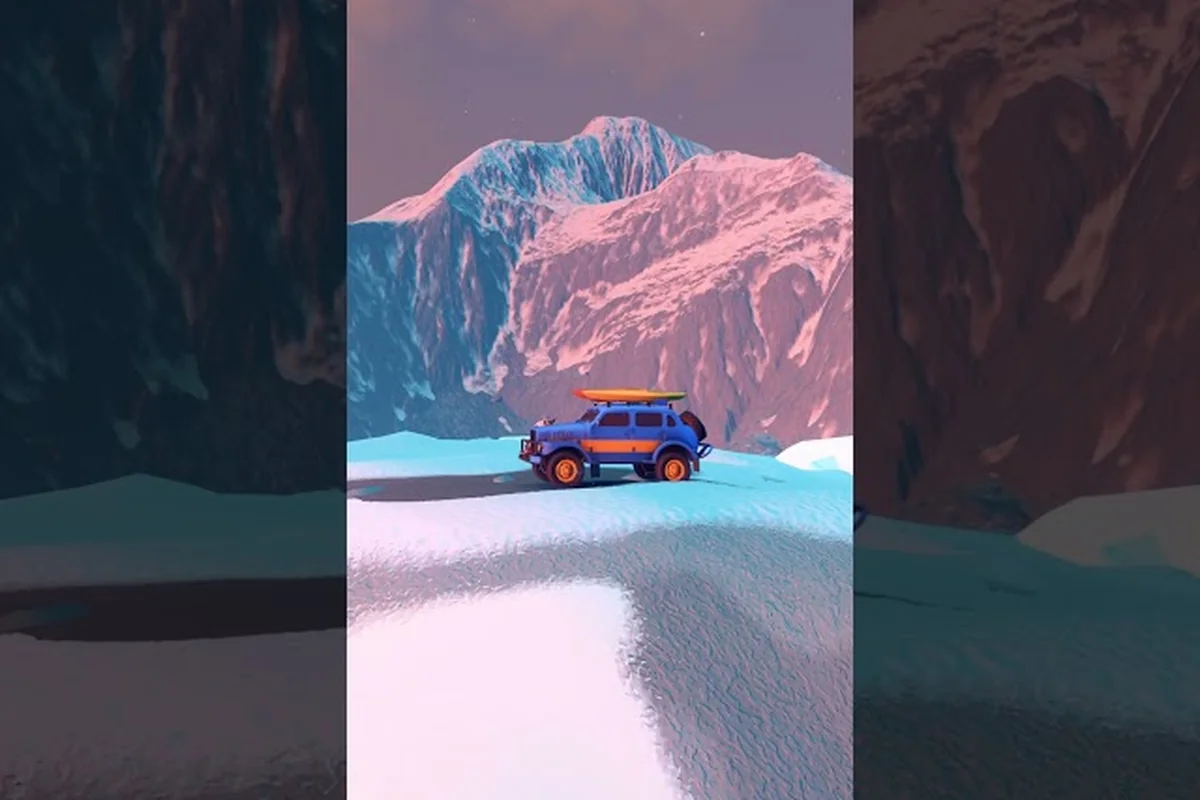
Over the Hill How to Change Livery: Colours, Parts & More
Learn Over the Hill how to change livery at merchants and cabins, swap car colours, add accessories, and unlock the spare tyre cosmetic fast.

Over the Hill Tyre Upgrade Guide: Suspension, Engine & Towing
Upgrade your Over the Hill tyre setup, suspension, and engine for a fully upgraded vehicle, better grip in bad weather, and safe friend towing.

Over the Hill Vehicle Comparison: Stats, Terrain & Value
Use this over the hill vehicle comparison to weigh terrain ratings, upgrade paths, and unlock costs before you pick your next 4x4.
All Articles

Over the Hill Vehicle List: Every Ride and Unlock Method
Browse the complete Over the Hill vehicle list with unlock conditions, starter picks, and tips for filling your garage across Canada and Algeria.
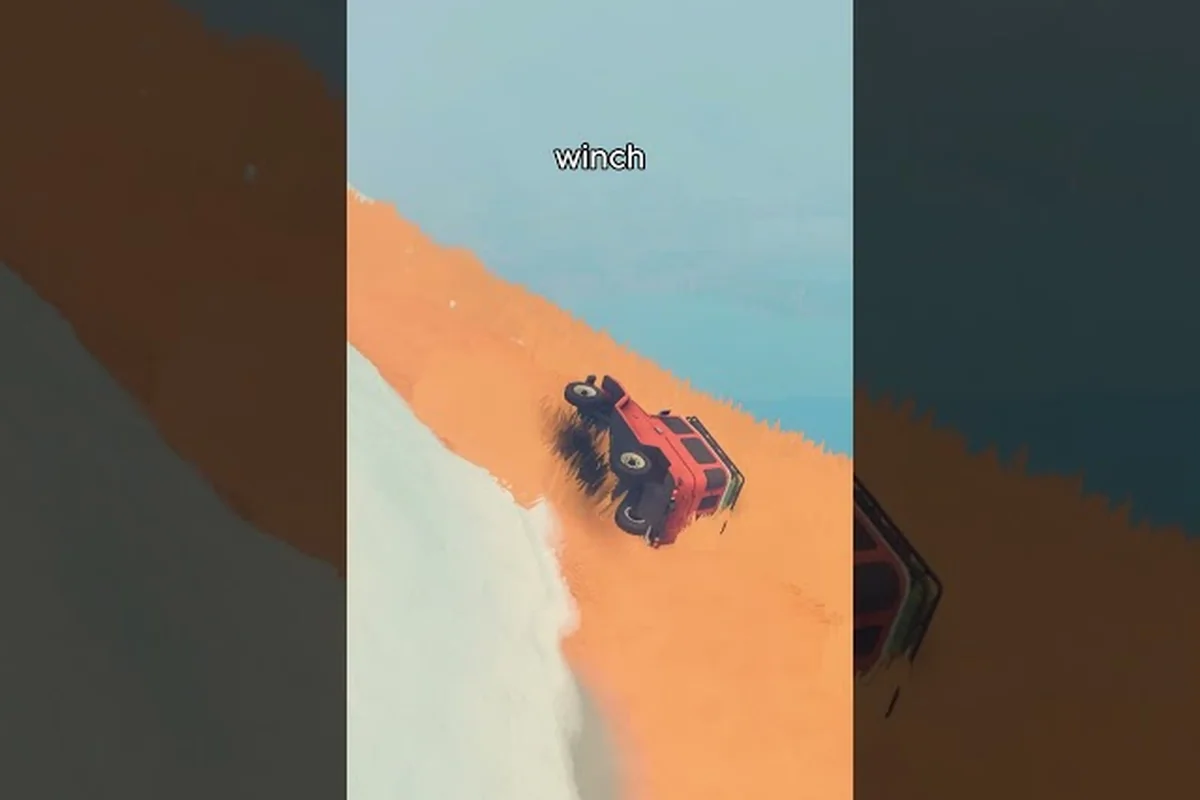
Over the Hill Winch Recovery Tips: Garage Picks & Smart Saves
Master Over the Hill winch recovery tips, pick the right ride from the garage, and learn which truck like the K5 Blazer saves you from stuck spots.
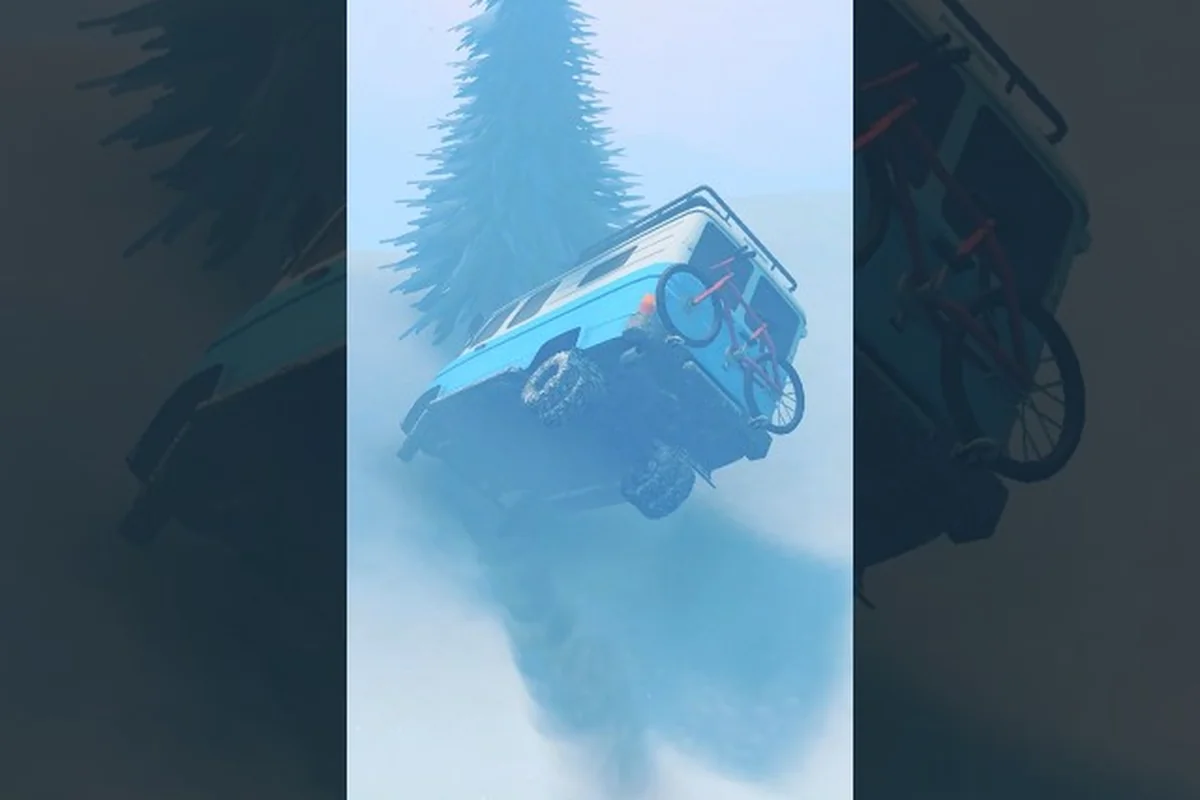
Over the Hill SUV Guide: Best Rides for Mud, Snow & Rocks
Find your perfect Over the Hill SUV with stats, buggy comparisons, and terrain picks for mud, snow, rock crawling, and deep water crossings.
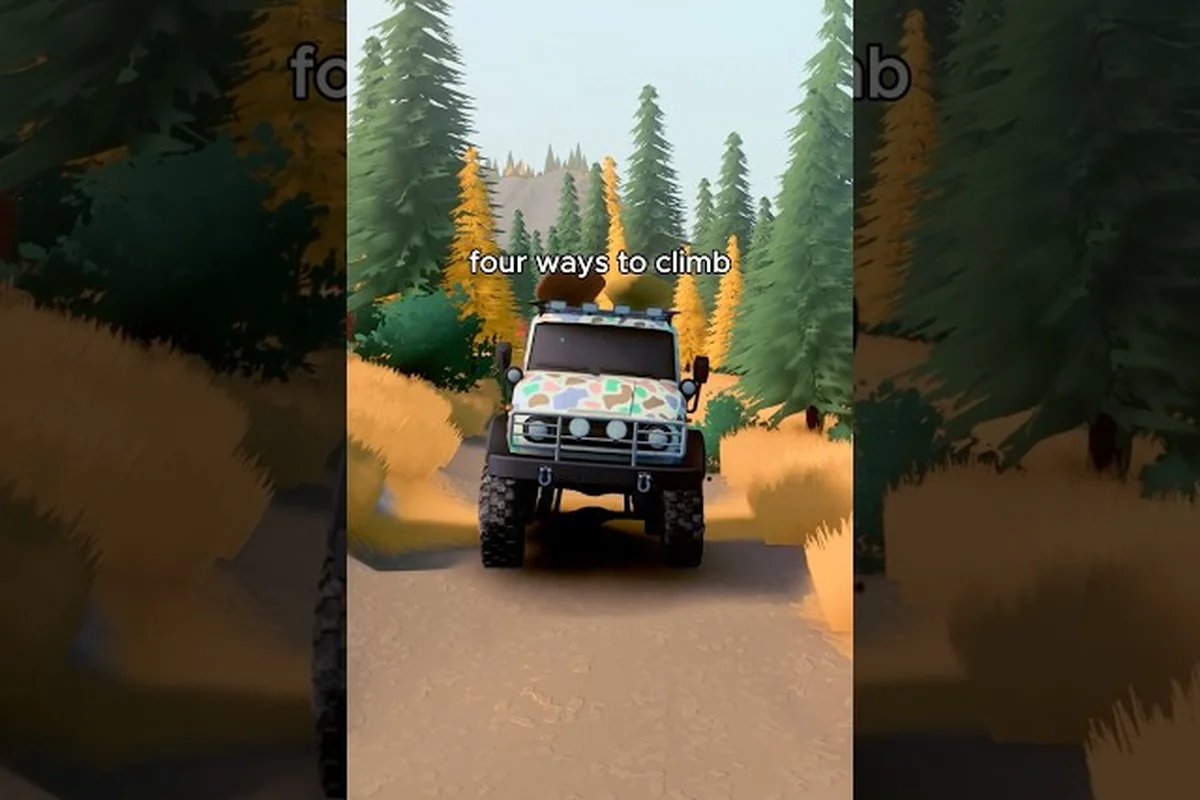
Over the Hill Vehicle Classes Explained: 4x4s, Pickups & More
Break down Over the Hill vehicle classes explained across 60s, 70s, and 80s trucks, vans, and pickups so you know which offroad body fits every biome.