Regions
Canada and Algeria map guides for Over the Hill: hand-built areas, cabin and merchant networks, area exits, landmarks and how the launch regions connect to each other.
Introduction
The launch build ships with two regions, Canada and Algeria, and each is cut into hand-crafted areas roughly four kilometres by four kilometres. Areas are not loading screens: every one has an exit into the next, so you can drive the length of a region without ever returning to a main menu. That continuity is what makes the map worth learning properly, because the fastest route between two points is usually a trail you discovered rather than a road the game marked. This section covers the character of each launch region, how the cabin network doubles as fast travel and resupply, what area exits and portals do for long journeys, and how points of interest reward the detours you take on the way.
Launch Region Comparison
| Region | Terrain Character | Signature Challenge | Key Infrastructure |
|---|---|---|---|
| Canada | Forest tracks, lakes, mountain passes | Mud, rock and water crossings in quick succession | Cabins spread along valley routes |
| Algeria | Sand, heat haze, very long sightlines | Navigation, since a wrong bearing costs real driving time | Merchants and sparse cabins between expanses |
| Any area | Roughly 4 km x 4 km of hand-built terrain | Finding the exit without crossing the whole map twice | Exits, portals and viewpoints double as navigation |
Region Profiles
Canada
The opening region, built to teach mud, rock and water
Algeria
The second launch region, where navigation is the real challenge
Cabins And Merchants
The infrastructure that turns a big map into a manageable one
Points Of Interest
Landmarks, viewpoints and portals that reward the detour
Core Mechanics
Every area is a hand-built slice of countryside roughly four kilometres square, and each one connects to the next through an exit, so travel is continuous rather than level-based. Within an area, cabins provide fast travel and resupply, merchants handle cosmetics and accessories, and a spread of points of interest gives you reasons to leave the marked route. Weather and a day and night cycle run continuously on top of this, changing grip and visibility, so the same piece of terrain behaves differently depending on when you drive it. Portals offer shortcuts between areas, and unlocking fast travel points as you discover cabins means the map gradually becomes more forgiving the further you explore, rather than staying equally hostile everywhere.
Advantages
Two full regions at launch, each with its own terrain logic, gives the map genuine variety without spreading the game too thin: Canada teaches you the fundamentals on wet, wooded ground, and Algeria then tests your navigation once driving itself has become automatic. Seamless exits between areas make long journeys feel like journeys rather than a string of loading screens, and because you can drive from one area into the next, a session can start in one biome and finish in a completely different one without a menu. The cabin network is generous enough that exploration stays recoverable, and fast travel points reward the patient player by progressively shrinking a map that initially looks intimidating.
Challenges
The launch build only ships two regions, so players who rush the tutorial and beeline for Algeria can exhaust the distinct terrain fairly quickly, and the developer has only said more areas are in progress rather than giving dates. Named areas and trails are largely left for you to discover, which means community route lists are thin and you cannot plan a specific trail in advance the way you might in a longer-established offroad game. Algeria's long sightlines can also make a mistake expensive, since the distance back to safety is measured in real driving time rather than a quick respawn.
Frequently Asked Questions
How big is each area in Over the Hill?+
Which region should I explore first?+
What do cabins actually do for you?+
Quick Tips
Treat every newly discovered cabin as a permanent upgrade rather than a one-off resource. Each one shortens the distance between you and a repair point, and a region where you have found five cabins feels dramatically smaller than the same region with only one. Five cabins discovered turns an intimidating region into a sequence of short, recoverable trips between them.
Drive the interesting fork on your first pass. Coming back later rarely happens, and points of interest, viewpoints and portals found early keep paying off, because portals in particular replace drives you would otherwise have to make again in both directions. The detour you skip rarely gets taken later, and the landmark you did not log is one you will navigate without.
In Algeria, navigate by landmarks you have personally confirmed rather than by what looks obvious on the horizon. Heat haze makes distant features unreliable, and a bearing that turns out to be wrong costs real driving time that no amount of throttle can recover. Confirmed landmarks are worth more than obvious ones, because heat haze can make two dune lines look identical.
Wait out the worst weather if you are near a cabin rather than pushing on. Conditions change grip across the whole map, so the same trail can go from routine to genuinely hostile, and an hour spent repairing and waiting is cheaper than a full recovery job far from any help. A cabin is a repair point as well as a destination, so waiting inside one costs you far less than waiting on a trail.
Featured
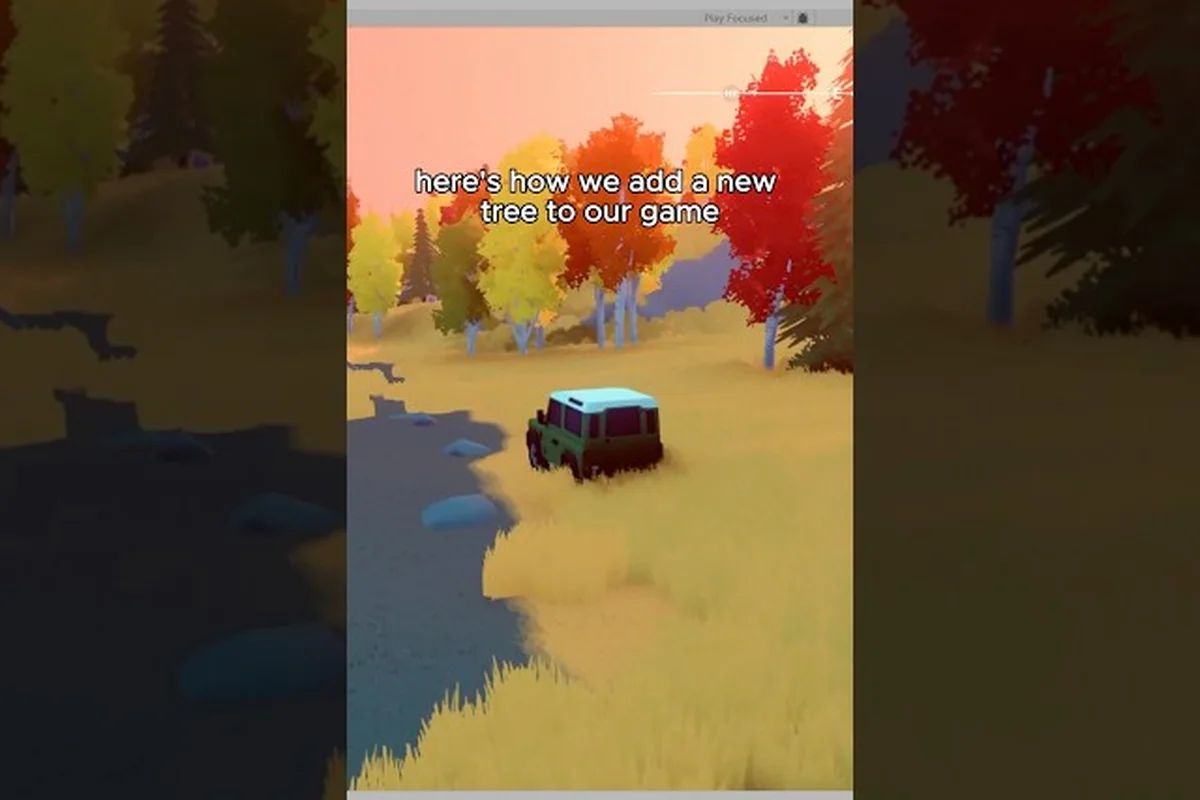
Over the Hill Forest Area Guide: Trails, POIs & Wildlife
Explore the Over the Hill forest area guide covering mountain, desert, snow, and lakeside biomes so you know which region suits beginners best.
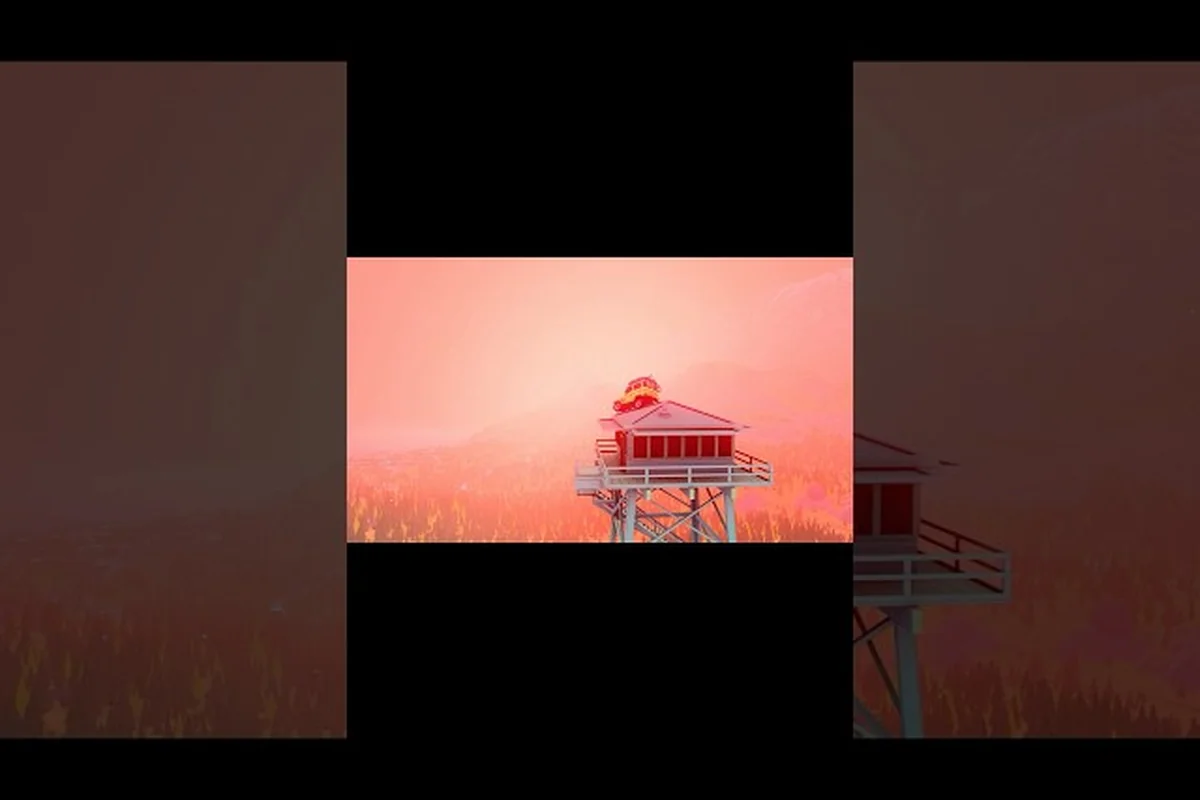
Over the Hill Abandoned Structures: Locations & Secrets
Hunt down every over the hill abandoned structures ruin, learn the nearby trails and hidden rewards, and explore the map's most atmospheric spots.
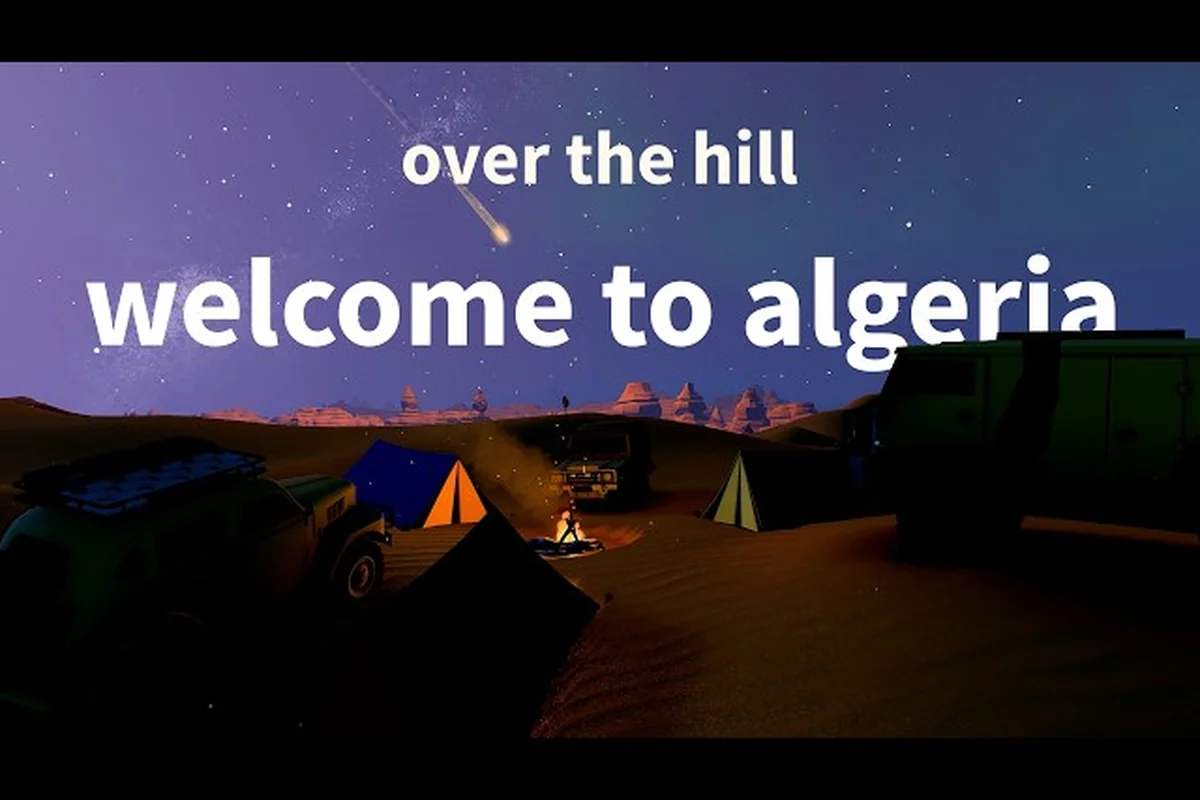
Over the Hill Algeria Map Guide: All POIs & Viewpoints
Explore the Over the Hill Algeria map guide with every 4km x 4km area, points of interest, and scenic viewpoints marked for first visits.
All Articles
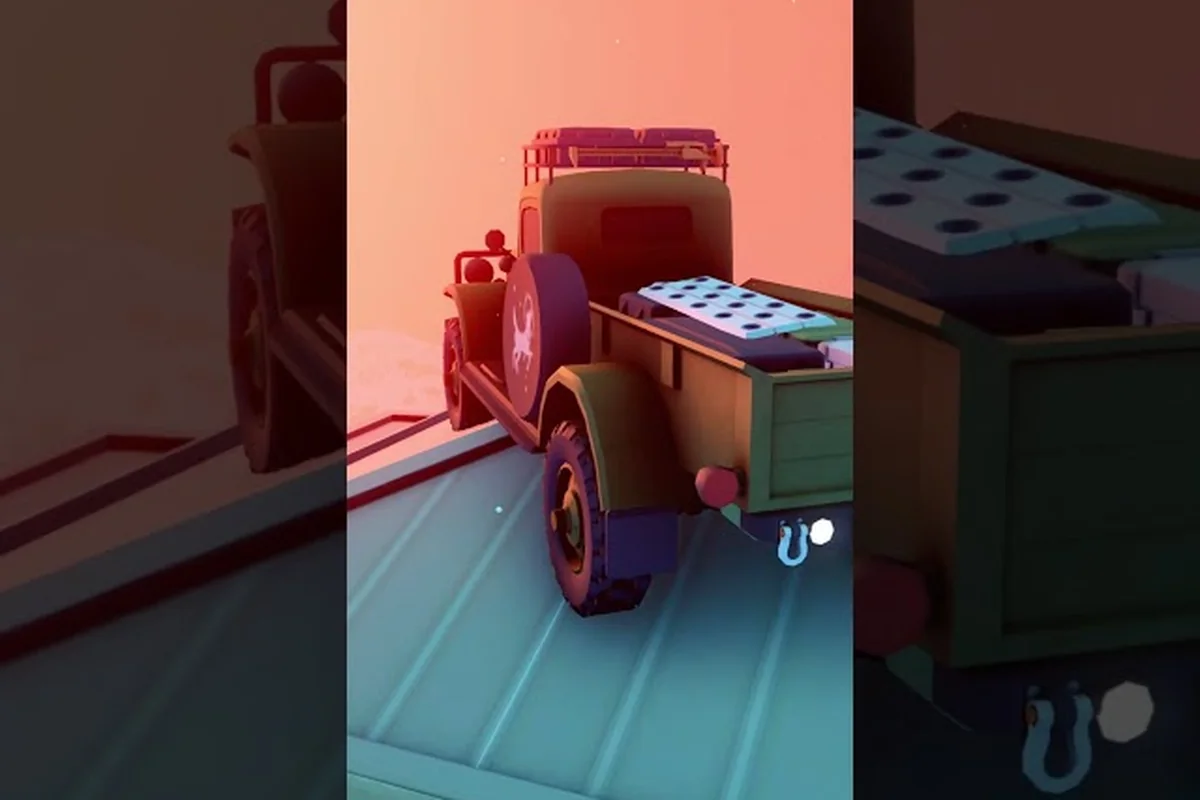
Over the Hill Map Guide: All Regions, Areas & Fast Routes
Tour the Over the Hill map guide across every region from Canada to Algeria, count all areas, and learn the smartest routes between biomes.
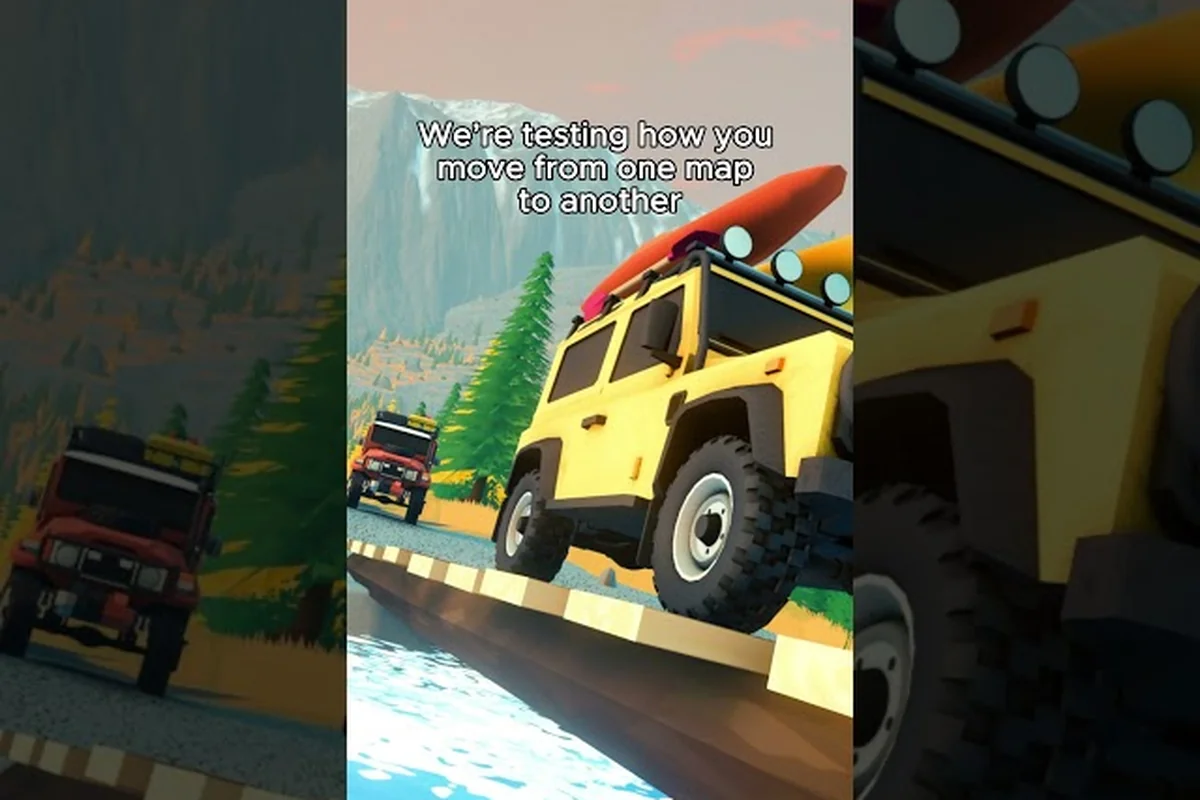
Over the Hill Area Exits: How to Leave Any Region Fast
Find every Over the Hill area exit and learn what landmarks and portals do so you can move between regions, unlock fast travel, and never get stuck at a border.
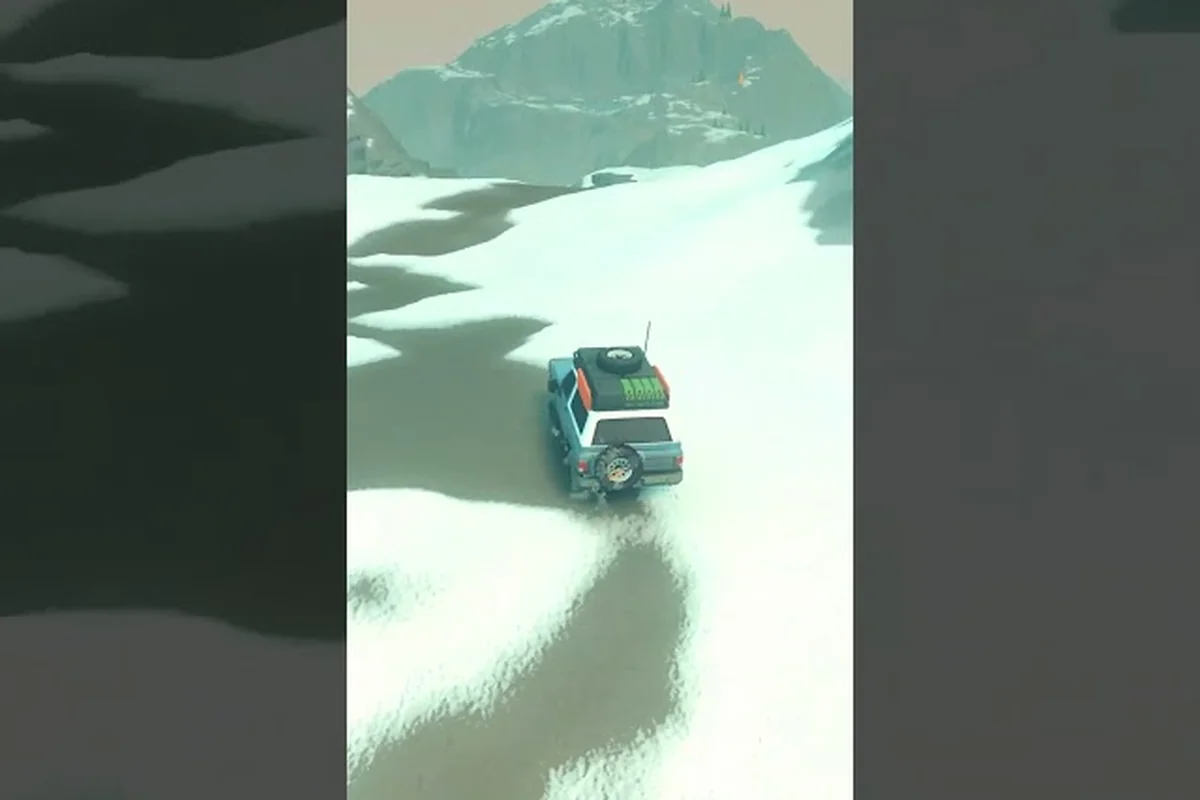
Over the Hill Map Completion Guide: Canada & Algeria 100%
Finish the Over the Hill map completion guide with confidence — every region, secret, and collectible in Canada and Algeria laid out for full clear runs.
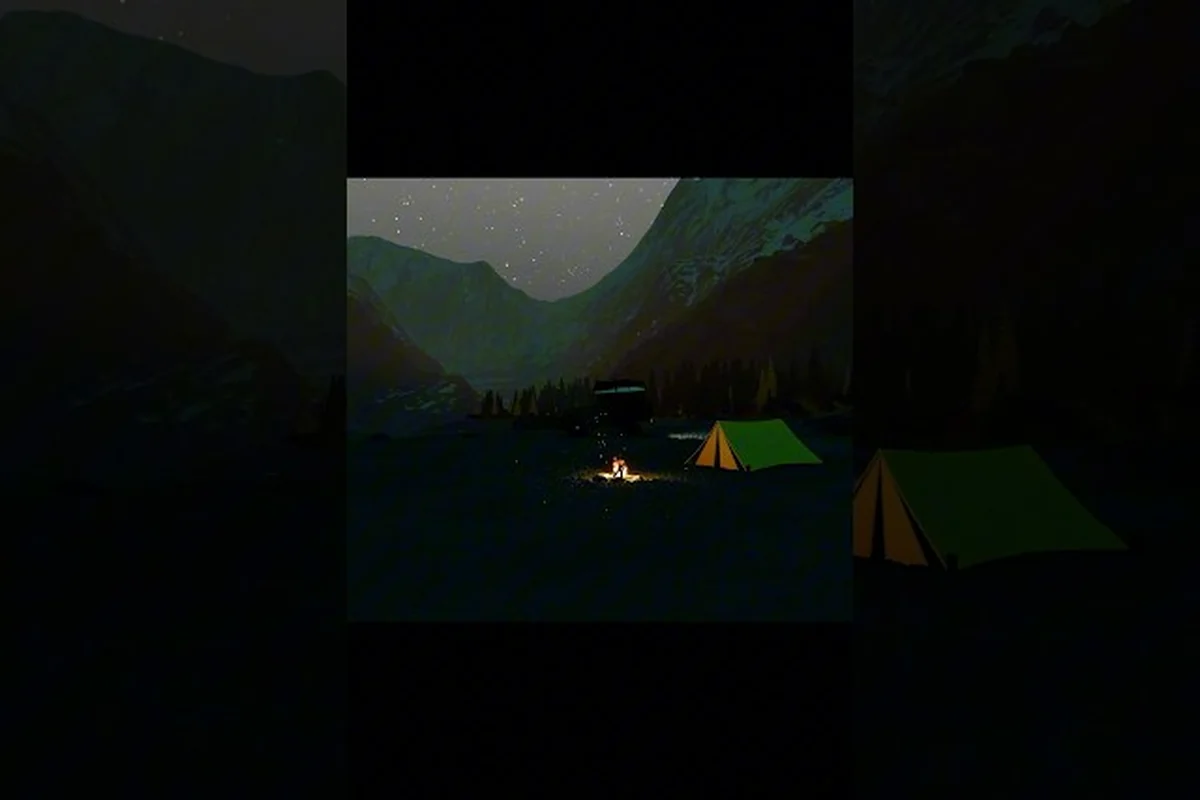
Over the Hill Scenic Viewpoints Guide: Cabins & Merchants
Track every Over the Hill scenic viewpoint, cabin, and merchant location so you can unlock fast travel and move freely between regions.