
Multiplayer
Over the Hill co-op guide: four-player online convoys, how progress is credited per player rather than per host, cross-play, and how to split recovery jobs.
Introduction
Over the Hill supports online co-op for up to four drivers at once, and it handles progress in a way that makes the mode worth using rather than merely available. Each driver brings their own vehicle and their own loadout, and everyone earns credit for the objectives they personally reach, so nobody spends a session as a passenger in someone else's game. Progress also carries between solo and online sessions, which means you can scout an area alone and then bring friends into the same world without losing anything. This section covers how convoys are set up, how progress is credited, why splitting recovery, scouting and supply jobs matters more than raw speed, and what cross-play means for playing with friends on other platforms.
Co-op Convoys In Practice
| Role | Vehicle Fit | Job In The Convoy | Why It Helps |
|---|---|---|---|
| Recovery | Pickup or van | Carries the winch duty and spare repair kits | A convoy that shares recovery spends far less time stuck |
| Scout | Buggy or classic 4x4 | Drives ahead, proves the line, reports back | Heavy vehicles only commit to routes known to go |
| Supply | Van | Planks, repair kits and cosmetics at the ready | Keeps a long expedition self-sufficient |
| Everyone | Any | Bank your own objectives as you reach them | Active progress is credited per player |
Convoy Roles
Inviting And Joining
Four drivers, one area, no host-only progress
Progress And Continuity
How your save behaves when you move between solo and online
Splitting The Work
Recovery, scouting and supply are separate jobs
Cross-play And Platforms
Playing with friends on other hardware
Core Mechanics
Co-op is a shared world rather than a host-run session: up to four drivers occupy one area simultaneously, each in their own vehicle with their own equipment, and objectives are credited to whoever reaches them. Progress carries between solo and online play, so there is no separate multiplayer save to maintain and no penalty for switching between the two. Because vehicles fall into four categories with different strengths, convoys naturally divide into recovery, scouting and supply work, and the game's toolkit supports that: the winch can pull a teammate free, repair kits can be spent on someone else's truck, and a van can carry the planks an expedition needs. Communication is the only real coordination mechanism, which means a convoy works best when someone says what they are heading for.
Advantages
Crediting objectives per player instead of per host is the single most important design decision here, because it removes the usual co-op trap where only the session owner makes progress. That makes dropping in with friends genuinely productive rather than a social detour from real progress, and it means a four-player session can split into pairs without anyone falling behind. Because vehicles have different strengths, the mode also has real roles to fill rather than four identical trucks doing the same thing, and the shared toolkit of winches and repair kits means helping a stuck teammate is a normal part of play rather than a special favour.
Challenges
At launch the mode is bounded by what you can coordinate by voice or text, since there is no visible role assignment and nothing in the game tells a convoy who should carry what, which means a disorganised group can spend a session driving past each other. Consoles are not part of the picture yet: cross-play is confirmed but the ports are stated for 2027, so mixed-platform groups have to wait. There is also no local split-screen, so four-player co-op always assumes four machines and four copies, which rules out the couch sessions the game's relaxed pace would otherwise suit very well.
Frequently Asked Questions
Does progress carry between solo and co-op in Over the Hill?+
How many players can join a session?+
Can I play Over the Hill with friends on console?+
Quick Tips
Say what you are heading for out loud. Objectives are credited to whoever reaches them, so in a convoy that stays silent two drivers regularly chase the same marker while something else in the area goes untouched for the whole session. Saying your destination out loud is the whole coordination system, and silent convoys waste the most time.
Give recovery work to one driver deliberately. A convoy with a dedicated winch truck and spare repair kits spends far less total time extracting itself than four drivers each solving their own problems in sequence. A dedicated recovery truck is the cheapest performance upgrade a group can make to its own sessions. Assign duties out loud at the start instead of assuming everyone will fall into a role on their own.
Send something light ahead on an unfamiliar trail. A buggy or classic 4x4 can prove a line before a loaded van commits to an approach it cannot easily reverse out of, which prevents the slowest and most expensive kind of co-op recovery. Proving a line with something light avoids the slowest and most expensive kind of convoy excavation.
Agree a meeting point before anyone starts driving. The first twenty minutes of an uncoordinated session otherwise disappear into four trucks circling the same area looking for each other instead of covering ground. Regrouping deliberately costs minutes, while four trucks searching for each other can swallow an hour. Agree the rendezvous before anyone moves, then honour it even if the route there was less interesting than the one you found.
Featured

Over the Hill How to Play With Friends: Invite & Crossplay Steps
Get the over the hill how to play with friends steps — Steam invite setup, crossplay support, and how to launch a stable 4-player co-op convoy on any trail.

Over the Hill How to Join a Friend: Invite Codes & Sessions
Learn how to join a friend in Over the Hill — Steam invite steps, crossplay limits, and shared progress rules for up to four players on the trail.
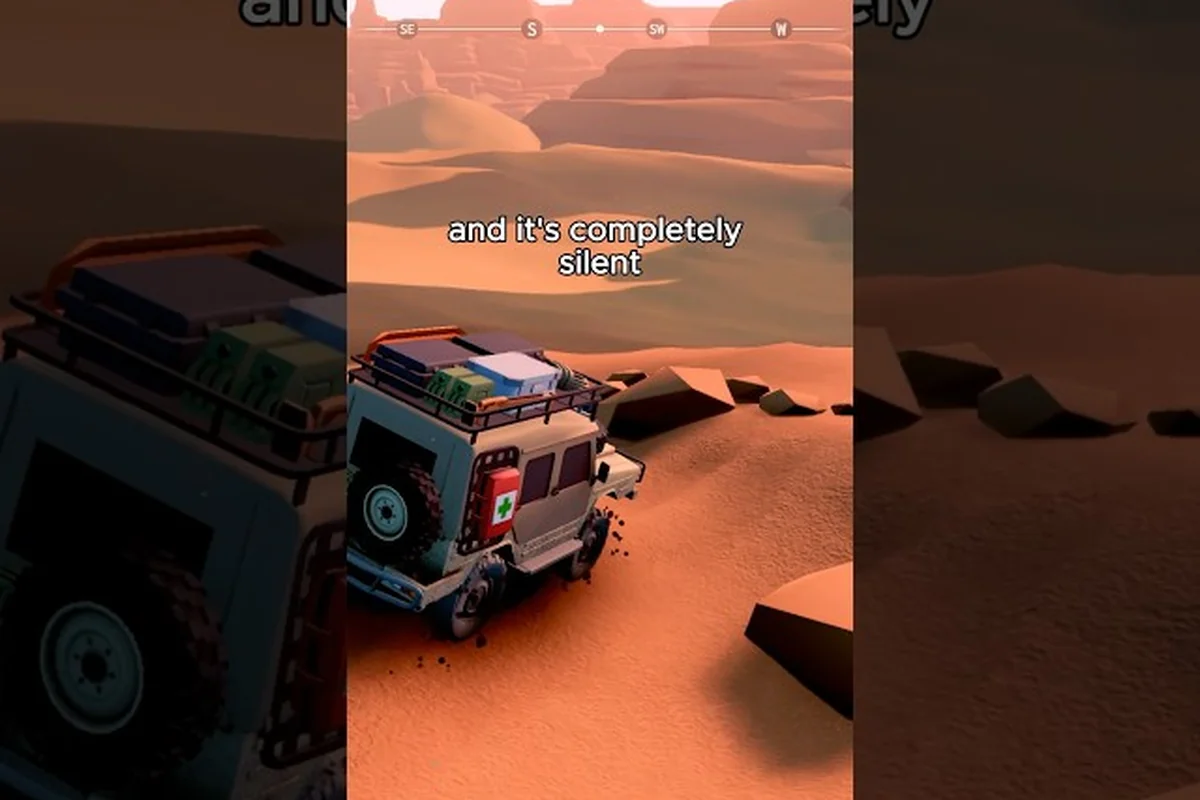
Over the Hill Playing With a Friend Guide: Solo Runs & Radio Chat
Decide with the over the hill playing with a friend guide — solo vs co-op tradeoffs, private session hosting, and radio chat tips for smooth convoy runs.
All Articles
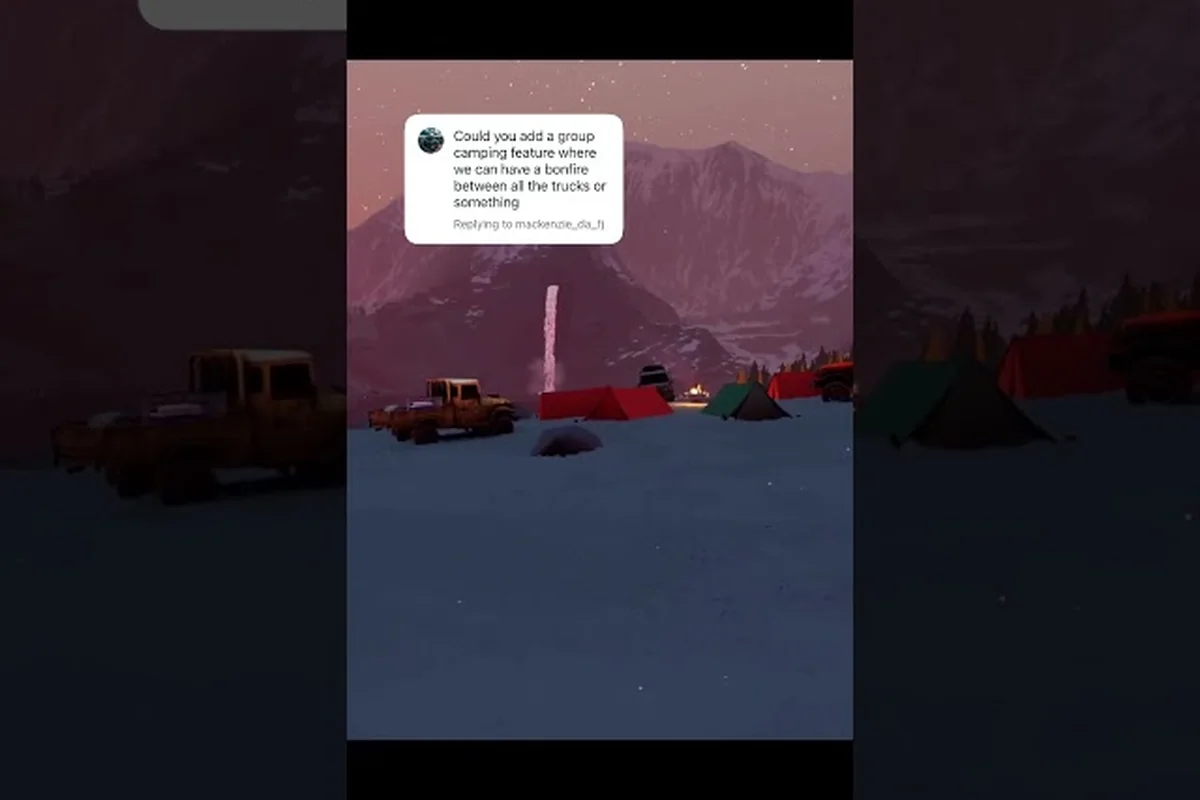
Over the Hill 4 Player Co-op: Crossplay & Challenge Trails
Explore Over the Hill 4 player co-op setup — crossplay support, co-op-only achievements, and how to clear challenge trails with a full crew.
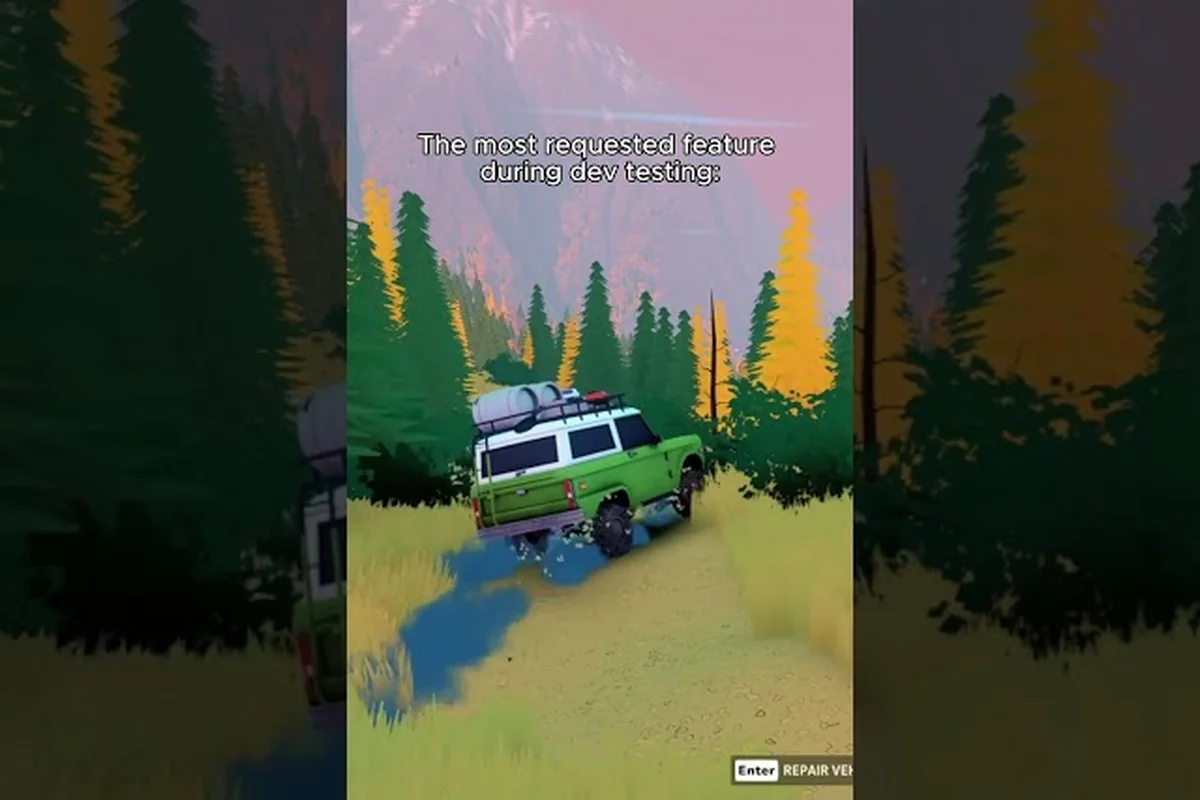
Over the Hill Co-op Convoy Tips: Roles, Comms & Saves
Master Over the Hill co-op convoy tips with smart role splits, winch and tow etiquette, and how shared progress and saves work across regions.
Over the Hill Cross Save: PC & Console Progress Guide
Learn how over the hill cross save works between PC and console, what progression carries over, and what to expect for cloud saves in co-op.