
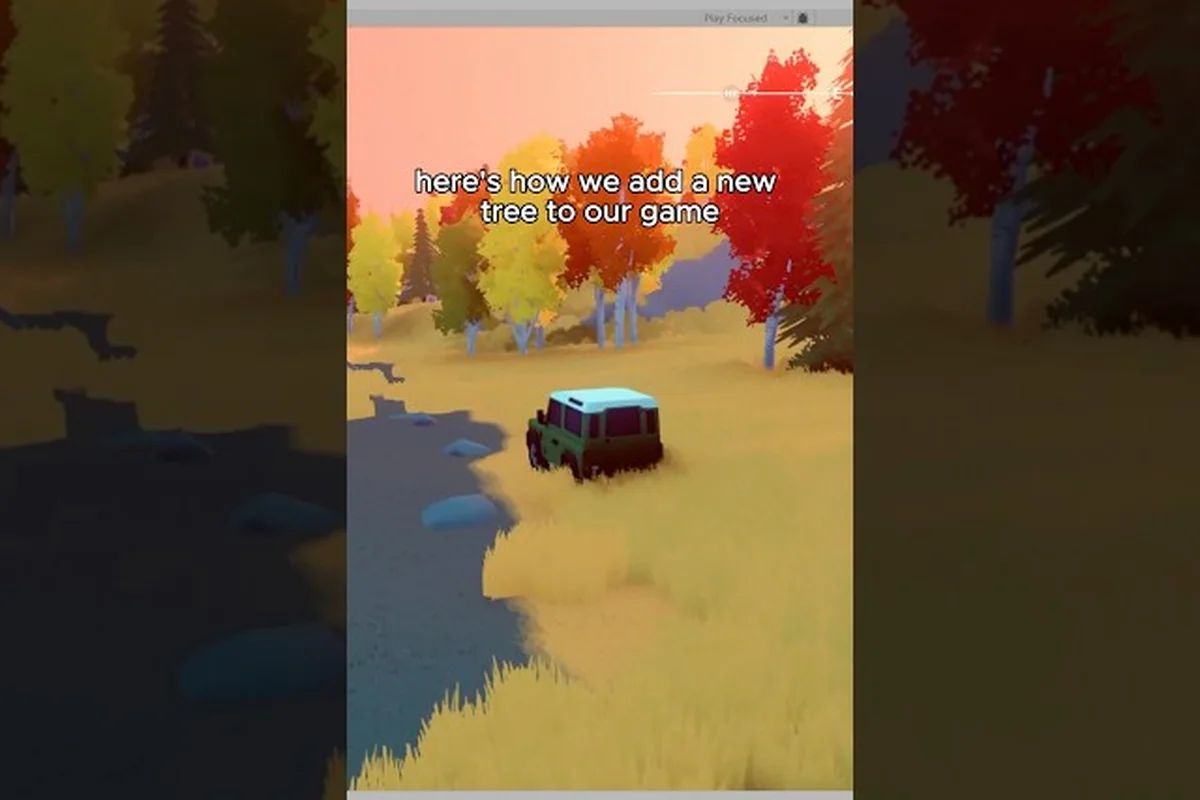
The forest biome is the first region most drivers cross in over the hill, and it sets the tone for every trail you tackle afterward. Soft dirt switchbacks, low-light canopies, and plenty of recoverable ledges make the woods the friendliest starting point in the entire game. Knowing what to expect in the trees helps you collect meteorites, finish the Explorer achievement, and avoid the costly mistakes that ruin a smooth first run.
Forest Region Overview and Why It Matters for New Drivers
The forest is the introductory biome of over the hill, the off-road exploration game from the creator of art of rally, and it is designed to teach the basics of pace, momentum, and recovery. According to the official store page, you wander across a spread of environments modelled on genuine places, running from low valleys up to high peaks and every kind of ground in the middle, and the forest is where that loop first opens up. Trails are short, surfaces are forgiving, and the points of interest are dense enough that you almost always finish a run with a new passport stamp or a crate to crack open.
This section is also where the game reveals its core achievement loop. Community tracking on the over the hill Steam achievements page shows that Explorer sits at roughly 43.8% of players, New Horizons at 40.5%, and Smooth Ride at 39.9% — numbers that line up cleanly with the forest as the natural completion environment. The trees are close together, the climbs are gentle, and the wildlife compendium fills up fastest here, so beginners can stack several objectives into a single outing.
| Achievement | Approx. Completion % | Why Forest Helps |
|---|---|---|
| Explorer (20 POIs) | 43.8% | Dense landmark spawns |
| New Horizons (Find an exit) | 40.5% | First exit unlocked via forest |
| Smooth Ride (No-damage trail) | 39.9% | Soft dirt forgiving of mistakes |
| A Gift from the Stars (5-min meteorite) | 2.0% | Open sightlines for spotting impacts |
Because the forest serves as a teaching biome, your vehicle choice matters less than your patience. Even a stock wagon will clear most forest trails if you keep the revs low and let the tires find grip. Drivers who want a fuller breakdown of which wheels handle which terrain should peek at the over the hill SUV guide once they graduate to mud and rock.
Forest Trails, Surface Types, and Driving Tips
Forest trails in over the hill come in three rough flavors: packed-earth fire roads, root-strewn singletrack, and shallow creek beds. Packed-earth routes are the easiest because the surface stays firm even after rain, while singletrack sections demand that you steer around ruts instead of powering through. Creek beds are usually only a few inches deep, but they can hide slippery stones, so feather the throttle until the front wheels bite.
The recommended approach is to keep speed under control and let the trail dictate your line rather than fighting it. Soft ground swallows momentum quickly, so coasting downhill is almost always faster than braking. When a climb looks steep, build speed on a straight section first — engines on small vehicles bog down halfway if you try to launch from a stand-still on loose dirt.
| Trail Type | Surface Feel | Beginner Tip |
|---|---|---|
| Fire road | Firm, predictable | Keep steady throttle, no need to weave |
| Singletrack | Loose, narrow | Slow before corners, accelerate out |
| Creek bed | Wet stones, mild ruts | Stay centered, avoid mossy rocks |
| Hill climb | Loose top layer | Build speed on flat approach |
| Descent | Soft shoulders | Coast and steer with the ruts |
Drivers also need to remember that the forest hides more meteorite spawns than any other biome because the open clearings give the sky a clean backdrop. The A Gift from the Stars achievement requires you to collect a meteorite within 5 minutes of impact, so parking on a ridge with a wide view is often worth more than grinding another trail.
Forest Points of Interest and Wildlife Compendium
The forest is packed with discoverable landmarks, and the over the hill community screenshots hub shows that player photography leans heavily on wildlife and lakeside overlooks — both forest staples. Expect to find abandoned cabins, mossy boulder fields, wooden bridges, and the occasional radio tower, each tied to a passport stamp. Wildlife entries include deer, foxes, herons, and at least two owl species that only appear at dusk.
Because the Explorer achievement requires 20 POIs, the forest essentially hands you half of them if you sweep it cleanly. Community data suggests most players finish the achievement before they ever touch the snow region, and a large share of those POIs come from repeatable cabin and bridge discoveries. Crates and meteorites also respawn after a full biome reset, so the forest stays relevant even after you have moved on.
| POI Category | Example Landmarks | Reward Type |
|---|---|---|
| Cabins | Forester's hut, ranger station | Crate + stamp |
| Bridges | Wooden span, stone arch | Stamp + collectible |
| Viewpoints | Ridge overlook, waterfall | Stamp + photo |
| Wildlife zones | Deer meadow, owl grove | Compendium entry |
| Meteor sites | Fresh impact crater | Meteorite shard |
If you are chasing every collectible efficiently, plan loops rather than straight lines. A loop that touches two or three POIs per minute will finish Explorer before your fuel reserve runs low, and you can pivot to the lakes and rivers region without backtracking.
Comparing Forest to Mountain, Desert, Snow, and Lakeside Regions
Once you have mastered the forest, the game opens up into harder biomes, and understanding their differences is the key to choosing your next trip. The over the hill map guide covers the full world layout, but the short version is that each biome ramps up one specific challenge. Forest is forgiving ground, mountain is verticality, desert is navigation, snow is traction, and lakes/rivers is depth.
| Region | Core Challenge | Best Vehicle Trait | Difficulty |
|---|---|---|---|
| Forest | Learning pace | Balanced tires | Beginner |
| Mountain | Elevation gain | High torque | Intermediate |
| Desert | Heat & sand | Lightweight chassis | Intermediate |
| Snow | Low grip | Studded or wide tires | Advanced |
| Lakes & Rivers | Water crossings | High clearance | Intermediate |
| All biomes | Mixed hazards | Adjustable setup | Advanced |
For drivers asking which region is best for beginners, the forest wins by a clear margin. Players who finish the first forest loop almost always have the smooth-ride rhythm down, and that rhythm carries into the rest of the world. If you are after a single biome recommendation, the forest gives you the most reward per minute and the lowest reset cost on mistakes.
Drivers moving on to the mountains should know that switchbacks reset your momentum hard, while desert routes punish anyone who does not bring extra water for the radiator. Snow is where your vehicle choice starts to matter most, because narrow tires spin endlessly on packed powder. The lakes and rivers region is the most visually distinct, and it ties directly into the over the hill area exits chain that unlocks the final portal.
Forest Loop Strategy and Beginner Progression Path
A clean forest loop should take roughly twenty to thirty minutes, and you can structure it around three goals: complete a smooth ride, find at least five new POIs, and collect a meteorite. Start from the main trailhead, take the eastern fire road, sweep through the deer meadow, then circle back along the ridge. This route touches every major surface type, ends at a high overlook for meteorite spotting, and gives you multiple chances to retry any trail that breaks your clean run.
For players working on the longer road map, the forest is also where you should experiment with vehicle setup before moving on. Adjust tire pressure, test your brakes, and learn how your car behaves at the edge of grip. A driver who knows the limits of their vehicle in the forest will adapt to other biomes much faster. Once you feel confident, move on to mountain trails, then take a short desert run, and finish with a snow or lakeside loop.
| Loop Phase | Activity | Target Outcome |
|---|---|---|
| Warm-up | Fire road lap | Smooth Ride attempt |
| Exploration | Singletrack sweep | 5+ POIs found |
| Collection | Ridge overlook | Meteorite collected |
| Recovery | Creek bed return | Empty crate respawns |
| Repeat | Reset biome | Cleaner Smooth Ride |
If you are still choosing your first vehicle, the over the hill full game guide covers starter recommendations and unlock order. Most beginners do well with a balanced SUV or a small pickup, and both handle the forest loop without complaint.
Over the Hill Best Area for Beginners: Why Forest Comes First
When players ask which over the hill area is best for beginners, the forest is the unanimous answer. It has the highest POI density, the lowest damage risk, and the most forgiving surfaces, which means a new driver can practice every core mechanic without burning through repairs. The only biome that comes close in accessibility is the lakes and rivers region, but its deeper water crossings demand more setup before you can relax.
The over the hill Steam FAQ thread confirms that the game supports both single-player and co-op play, so beginners can either learn at their own pace or bring a friend along for a smoother learning curve. Co-op is especially useful in the forest because one driver can scout while the other handles the technical section, and the achievement progress is shared.
| Beginner Need | Forest | Mountain | Desert | Snow | Lakes & Rivers |
|---|---|---|---|---|---|
| Low damage risk | ★★★★★ | ★★★ | ★★★★ | ★★ | ★★★ |
| Easy POI density | ★★★★★ | ★★★ | ★★★ | ★★ | ★★★★ |
| Forgiving terrain | ★★★★★ | ★★ | ★★★ | ★★ | ★★★ |
| Meteorite visibility | ★★★★ | ★★★★ | ★★★★★ | ★★★ | ★★★★ |
| Wildlife sightings | ★★★★★ | ★★★ | ★★ | ★★★★ | ★★★★★ |
Once you have completed several forest loops and unlocked the relevant achievements, you are ready for the harder biomes. The progression curve feels natural because each region introduces a single new variable — elevation, heat, traction, or depth — rather than dumping every mechanic on you at once. That pacing is the real reason the forest remains the best starting point, even for players who plan to chase every collectible in the game.
Frequently Asked Questions
What makes the over the hill forest area the best starting biome for new players?
The forest offers the most forgiving surfaces, the densest points of interest, and the easiest meteorite sightlines, which means beginners can complete achievements like Explorer and Smooth Ride without risking major damage. Short loops and gentle climbs also let drivers practice pace, momentum, and recovery in a low-stakes environment before tackling harsher regions.
How does the over the hill mountain area guide differ from forest driving?
The mountain area guide focuses on elevation gain, switchbacks, and traction loss on loose climbs, whereas the forest emphasizes flat pace, root management, and wildlife spotting. Drivers moving from forest to mountain should expect steeper gradients, more exposure, and longer reset times between trail attempts, so a higher-torque vehicle becomes a real advantage.
Is the over the hill desert area guide relevant for beginners?
The desert area guide is relevant mainly as a contrast to the forest, because sand and heat introduce cooling and traction challenges that do not appear in the trees. Beginners usually visit the desert after a few forest loops, using it to practice throttle control and to learn how the engine behaves on soft surfaces that swallow momentum.
What does the over the hill snow area guide teach that other biomes do not?
The snow area guide teaches low-grip handling, wide-radius cornering, and the importance of tire choice, since packed powder punishes narrow wheels and rewards patience. It is the most demanding biome for new drivers, so most players only tackle it after they have already cleared the forest, mountain, and desert sections comfortably.
Why is the over the hill lakes and rivers guide worth reading after the forest?
The lakes and rivers guide is worth reading because water crossings add a depth and clearance check that the forest never tests, and they connect to the area-exit system that unlocks later portals. The forest is the best training ground, but the lakes biome is the natural next step once drivers want to test their setup against a new kind of obstacle.